Web Summit 2025: Insights on AI, Leadership, and the Human Side of Technology
Jump to the Section
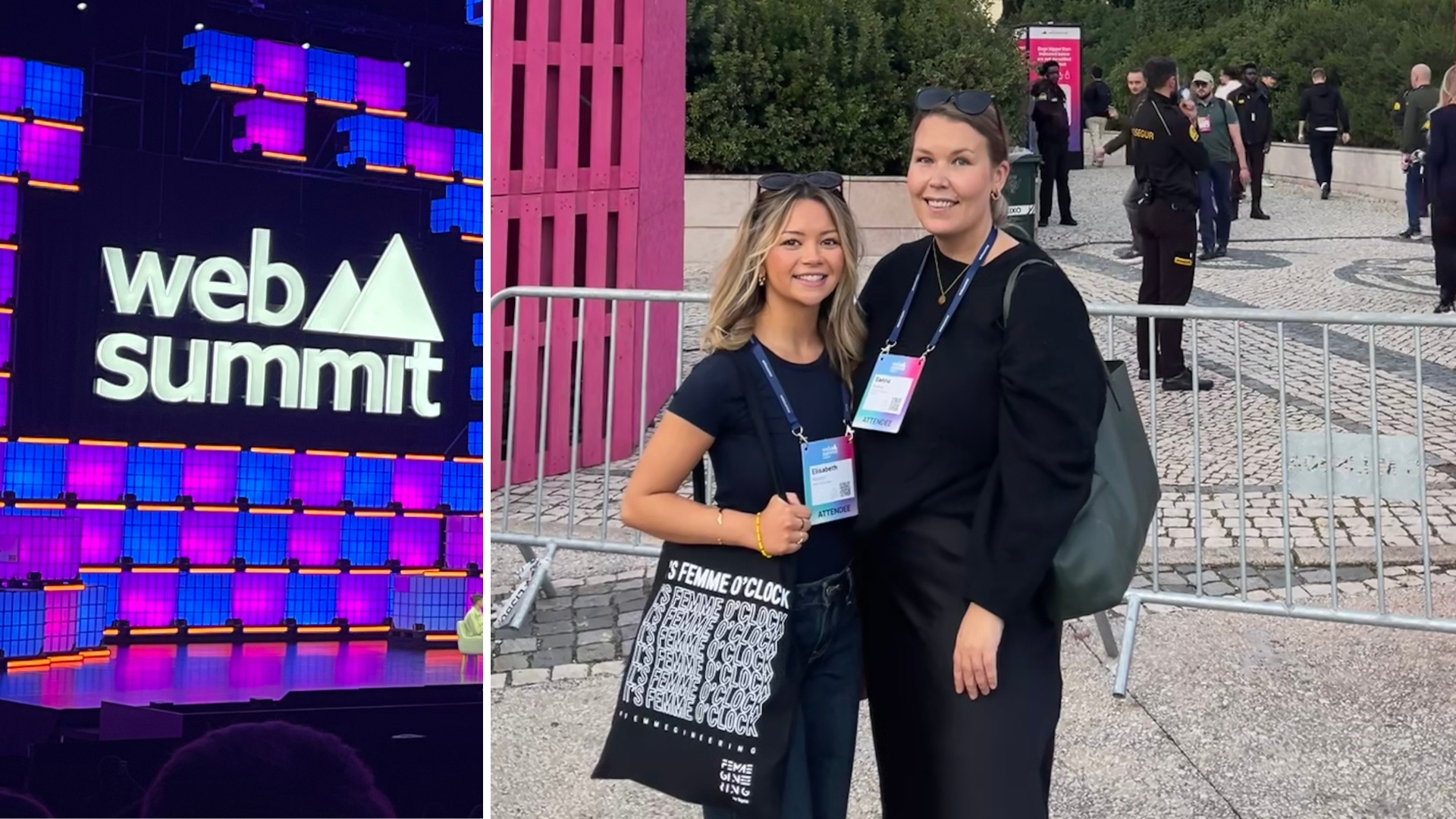
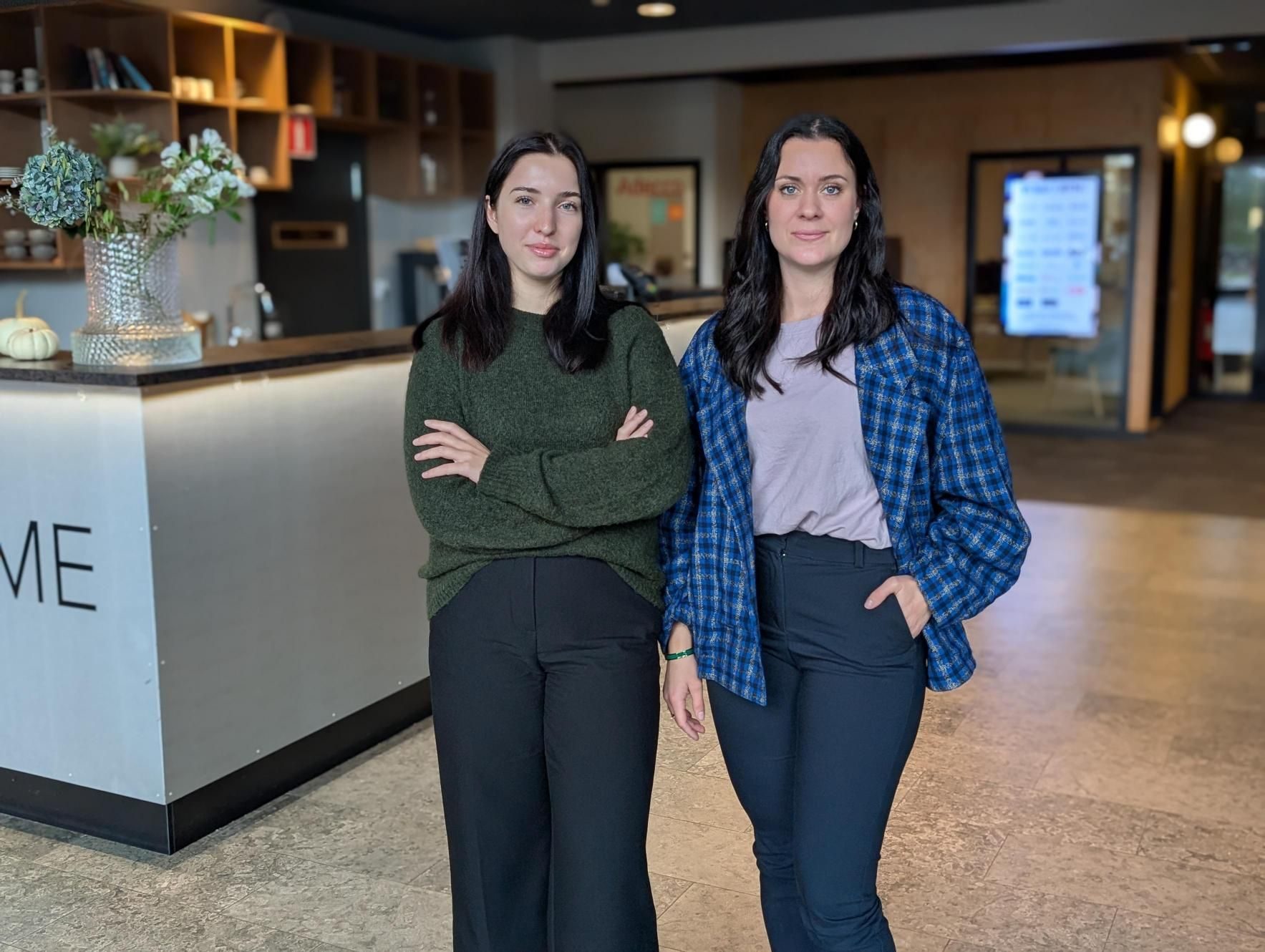
Elisabeth Nyström and Sanna Preifelt at Web Summit 2025
Web Summit 2025 in Lisbon brought together the global tech community for a week filled with ideas, conversations, and perspectives on the future of technology. Among the thousands of attendees were our colleagues, Femmegineering ambassadors Sanna Preifelt (UX Designer) and Elisabeth Nyström (Software Developer), who participated in sessions, workshops, and networking across disciplines. In this article, they share their reflections on the conference — from emerging trends such as AI, trust, and open source, to insights on accessibility, sustainability, and the importance of human-centered technology.
What was your overall impression of Web Summit 2025?
Sanna Preifelt (UX): The event was exceptionally well organized by the hosts. There was a wide range of interesting talks and sessions, which at times made it challenging to decide what to prioritize. Afterwards, I felt both motivated and energized, filled with new insights despite the intensity of the days.
Elisabeth Nyström (developer): Well-organized and optimized for networking—a gathering place for exceptional talent.
Was there anything that surprised you, either positively or negatively?
S: The most positive aspect was how seamless and well-optimized everything was for participants—from the sessions and the food to the networking facilitated through various WhatsApp groups. I also appreciated how friendly and accommodating everyone was, as well as how meaningful the conversations with other attendees became. It was not necessarily surprising, but it certainly left a positive impression that I will carry with me.
What genuinely surprised me was the minimal number of sessions addressing accessibility. Throughout the entire week, there was only a single talk dedicated to the topic. Given that the European Accessibility Act has now come into force, I had expected significantly more content related to accessibility, especially from the perspective of a UX designer.
E: I was very positively surprised by how easy it was to navigate the conference. If you wanted to attend a session on the center stage (Meo Arena), staff were always present to guide you to the best and nearest available seat. The talks were recorded, and the overall standard of the conference felt notably higher than any I had attended before.
On the negative side, the number of workshop spots available was very limited. It would have been exciting to take part in more hands-on coding sessions.
Another surprising insight was how rewarding it was to attend sessions outside one’s primary area of expertise. We went to a talk on sustainable tech and stayed for several more after realizing how little we knew about the topic.
Key Takeaways from Web Summit 2025
Which 3–5 trends or themes stood out most clearly to you?
AI continues to dominate, but fatigue around the hype is growing.
Human-centered design and trust are becoming decisive success factors.
Open source and digital ownership are gaining importance.
Global tech leadership is shifting toward new markets.
AI: From Hype to Maturity
E: AI: AI was by far the most prominent trend. However, in conversations with other attendees, it became clear that there was a growing sense of fatigue around the topic.
S: The most prominent trend was, without question, AI, which dominated most sessions. At the same time, a parallel theme recurred: the role of human beings in an age of AI. Much of the discussion focused on how to ensure that the human touch is not lost as we develop, design, and build new products and services. A quote that stayed with me was: “You are in a relationship with AI, whether you want to be or not. But the relationship is complicated.” The core of the debate was not whether we use AI, but how we use it. Several speakers emphasized that AI should take over tasks that are monotonous, repetitive, or frequently postponed within organizations, to free time and energy for more value-creating work.
Global Power Shift in Technology
E: New European countries are increasingly entering the market. For example, Poland is becoming a strong emerging player. China is rapidly gaining influence in AI and other tech fields—not least through DeepSeek. This shift led to discussions about an impending paradigm change: that open source will become the standard and that it will become less common for companies to develop technology behind closed doors.
S: Just as Elisabeth mentioned, another strong trend was the realization that the Western world is losing ground in global development, while countries such as China, Brazil, and several Eastern European nations are becoming increasingly influential. Personally, I view this as something positive. Within design, we often emphasize the importance of diversity and varied perspectives. How can we evolve if we only build on what we already know? The growing influence of more voices and markets feels enriching rather than concerning.
Open Source, Ownership & Digital Rights
E: Discussions also revolved around ownership — from how influencers can retain rights to their content through blockchain, to how developers can own their code while contributing to shared progress. The message was clear: we must dare to stand up for open source.
The Human in the Age of AI
S: Lastly, trust was a recurring theme. In a world where products and services are becoming increasingly automated and AI-driven, trust will be a decisive success factor. Several speakers stressed that we must never forget that most solutions are built for people. Therefore, we cannot remove the human element from the equation. Despite a rapidly changing world, humanity—how we treat one another and how this is reflected in our products and services—is arguably more important than ever. Organizations that create the most trustworthy, human-centered experiences will ultimately succeed.
In a world where products and services are becoming increasingly automated and AI-driven, trust will be a decisive success factor. Several speakers stressed that we must never forget that most solutions are built for people. Organizations that create the most trustworthy, human-centered experiences will ultimately succeed. Sanna Preifelt
Web Summit Talks
Was there any talk, panel, or workshop that provided particularly valuable insights?
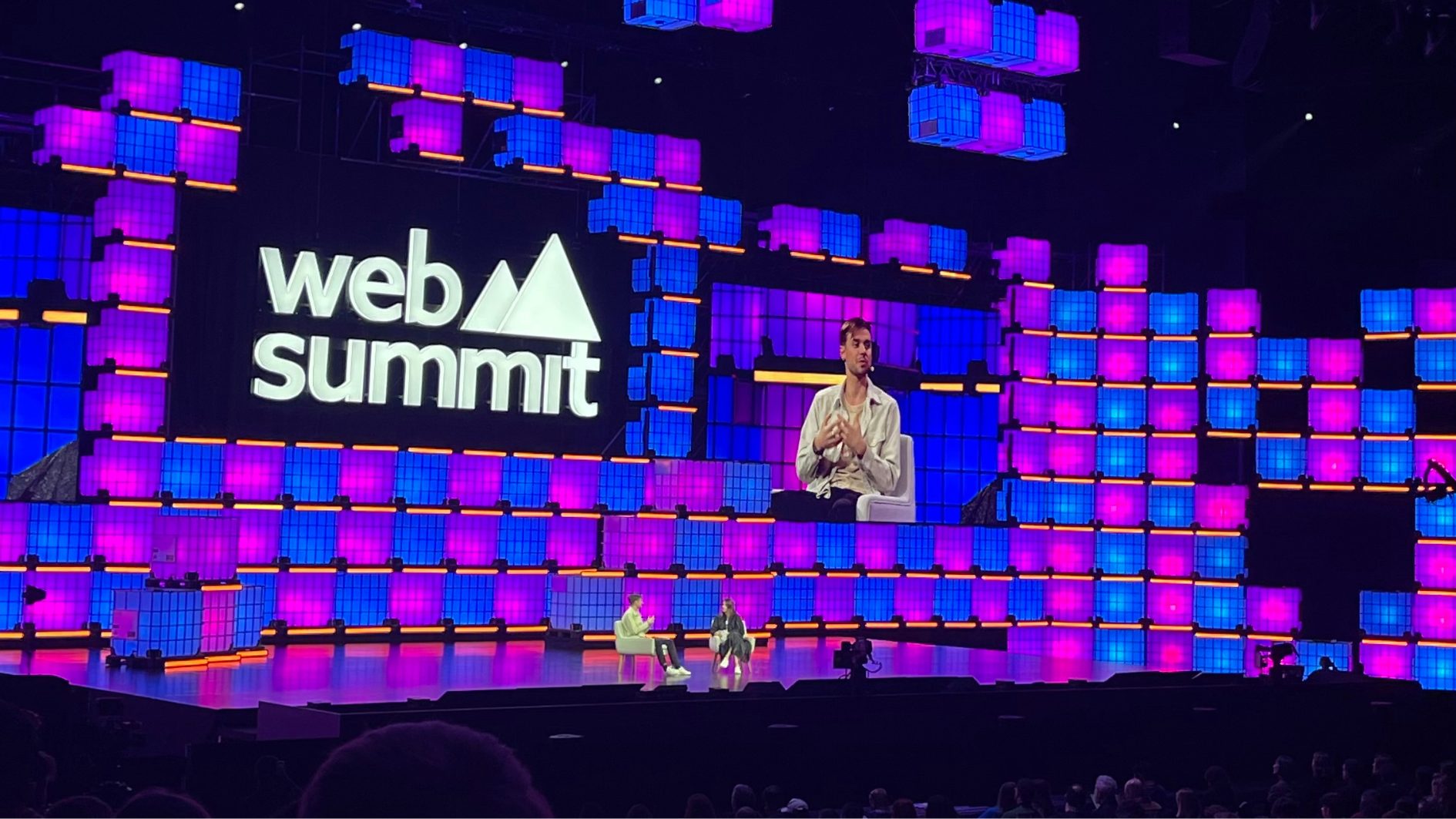
One of the opening sessions featured Anton Osika, founder of Lovable, one of the fastest-growing tech companies. The session explored the cultural values and leadership principles behind the company’s rapid growth.
Osika emphasized trust, autonomy, and execution. At Lovable, teams are encouraged to act on ideas without waiting for approval. “Allow people with ideas to execute them” was a central message, reflected in his own habit of showing ideas in practice rather than discussing them in theory.
He also addressed concerns about AI replacing jobs. According to Osika, scaling still requires skilled technical professionals, particularly in areas such as security.
AI and Sustainability
Speaker: David Savage Perspective: Sanna Preifelt (UX)
Sanna attended a talk by David Savage that focused on the environmental impact of AI. The session highlighted how AI systems consume significantly more energy than traditional data processing and how this creates growing sustainability challenges.
Savage also shared practical ways organizations and individuals can adopt more sustainable data storage practices, especially when working with AI. Although sustainability is not Sanna’s main area of expertise, the talk resonated strongly due to her daily use of AI and data-driven tools, making the insights both relevant and eye-opening.
Women in Tech @ Web Summit: An Inclusive and Inspiring Community
You joined the conference as our Femmegineering ambassadors and Women in Tech attendees at Web Summit. How did you experience the Women in Tech community at the conference? Were there any role models or speakers who inspired you?
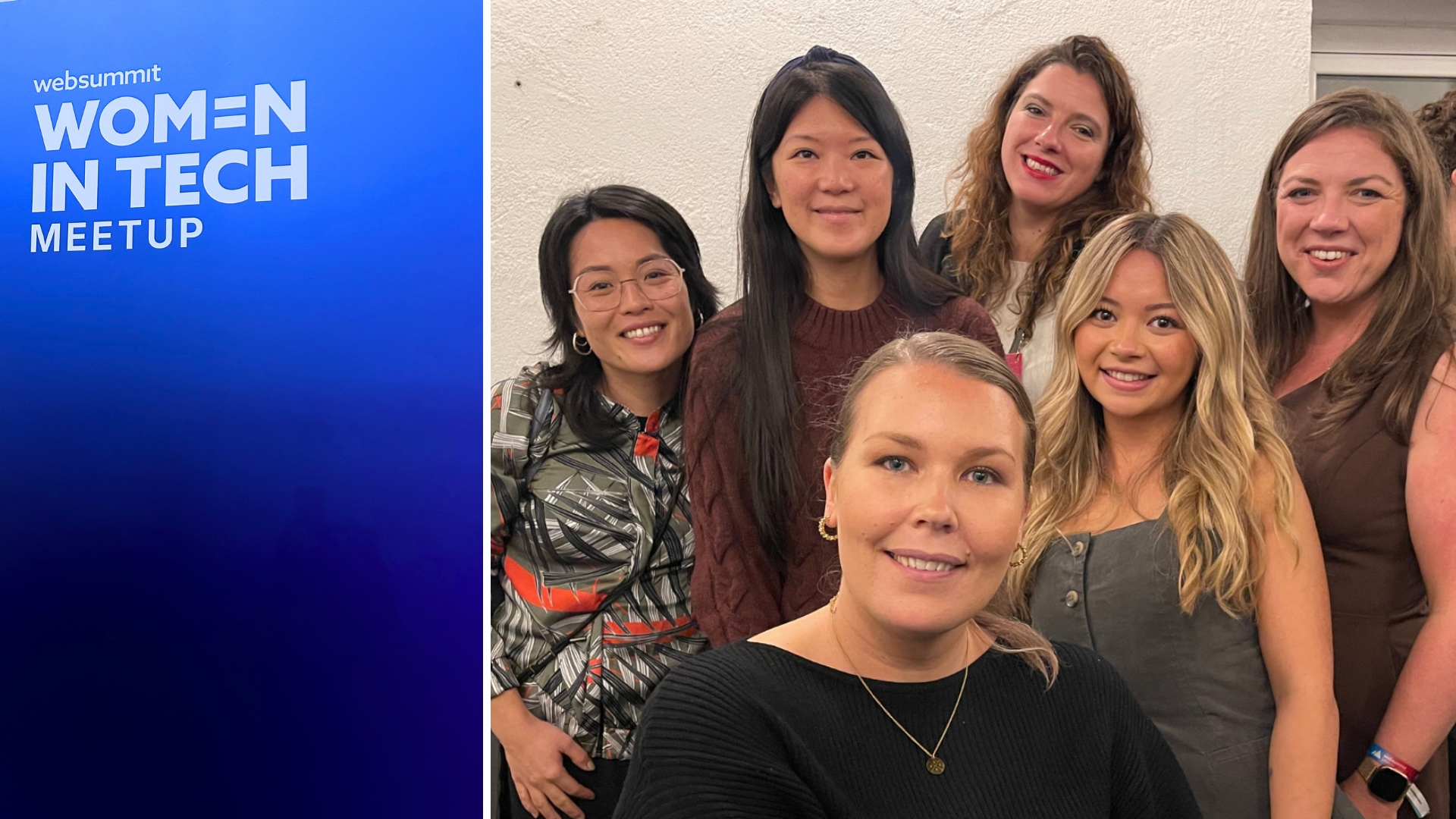
Both Sanna Preifelt and Elisabeth Nyström experienced the Women in Tech community as one of the most valuable parts of Web Summit. They noted a clear improvement in gender balance among attendees, exhibitors, and partners, which contributed to a strong sense of inclusion and empowerment throughout the event.
Key Talks and Role Models at Web Summit
Brittany Kaiser: Leadership and Confidence in Tech
Session: Developer Summit Panel Perspective: Elisabeth Nyström
Elisabeth was inspired by Brittany Kaiser’s strong presence during a panel discussion led mainly by men. Kaiser spoke with confidence, challenged difficult questions, and demonstrated what visible female leadership in tech can look like.
Sara Vienna: Empathy and AI in UX
Session:The Empathy Advantage: AI’s Impact on UX Perspective: Sanna Preifelt
Sanna highlights Sara Vienna’s talk as particularly meaningful. The session focused on the importance of preserving empathy, creativity, and human perspective when designing AI-driven products. Vienna warned that over-reliance on AI-generated content can lead to sameness and loss of originality, as AI systems are trained on existing material.
Meeting the Sigma team at Web Summit
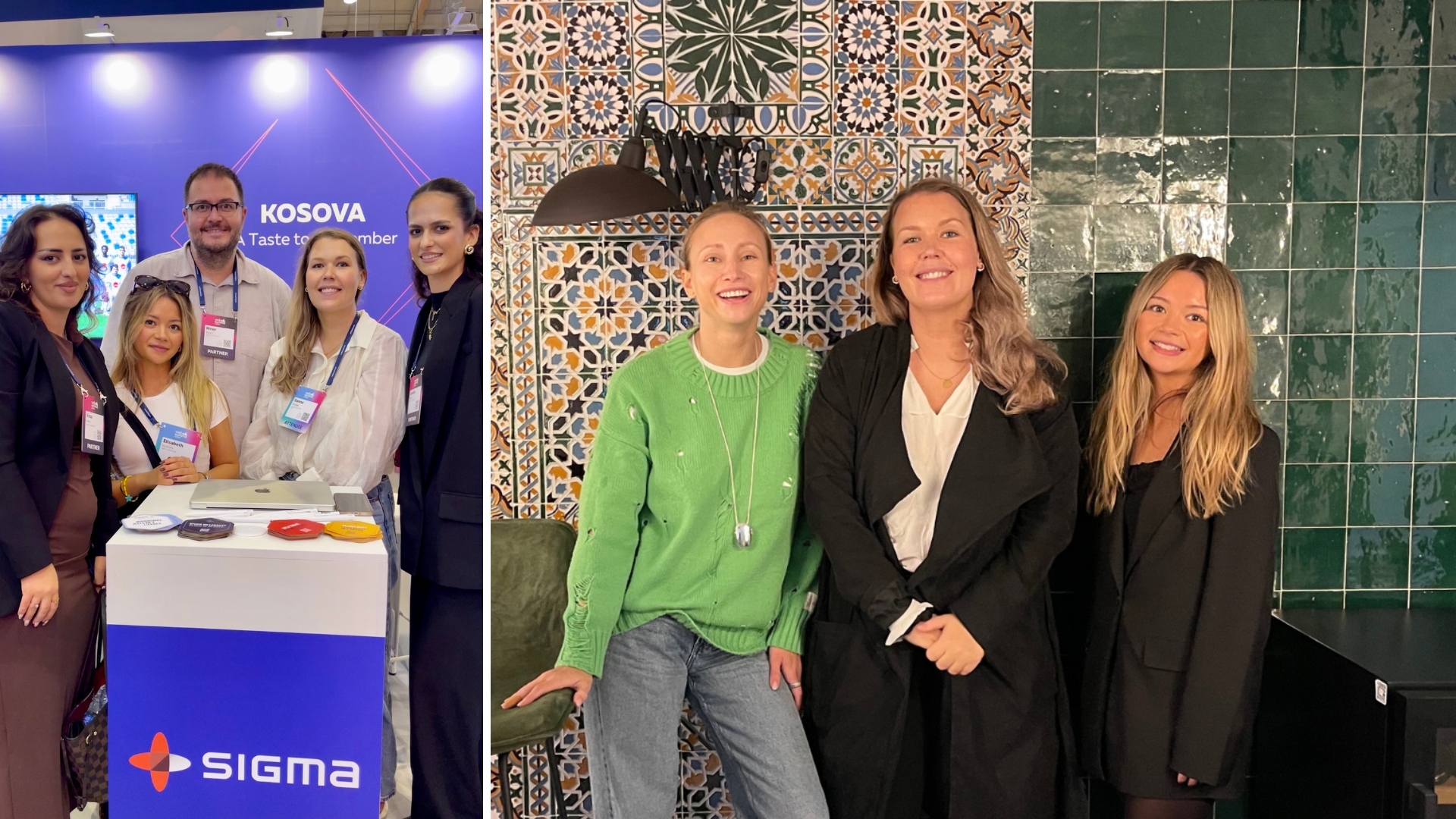
Sanna and Elisabeth are visiting Sigma Technology Southeast Europe’s booth at Web Summit (to the left) and visiting Sigma Software’s office in Portugal (to the right).
Sigma teams from Sigma Software and Sigma Technology Southeast Europe attended the Web Summit 2025, organizing side events and hosting their own booths. Sigma Software has been present in Portugal since 2022. Elisabeth and Sanna share experiences meeting the Sigma team.
E: It is truly remarkable how Sigma manages to hire people with such exceptional kindness. I noticed this throughout the Summit: no matter which Sigma company someone belonged to, everyone was incredibly welcoming and easy to talk to. I also realized that Sigma has succeeded in this internationally as well. Sharing knowledge becomes extremely natural within this wonderful group of people.
S: It was truly enjoyable to meet Rinor, Vesa, and Leonita from Sigma Technology Southeast Europe, and it reaffirmed how naturally we at Sigma welcome our colleagues as friends. It gave me so much energy. I always feel proud to be part of Sigma and to see the talent we have within the organization. I believe that sense of pride is shared by nearly everyone who works with us—and it shows. I would also like to give special recognition to Olena Rubanenko from Sigma Software in Portugal. She made us feel very welcome during our office visit. Her engagement and generosity truly meant a lot to us.